

Common symptoms and difficulties
Differences in muscle tone, posture, coordination or ability to sit, stand and walk.
How physiotherapy may help
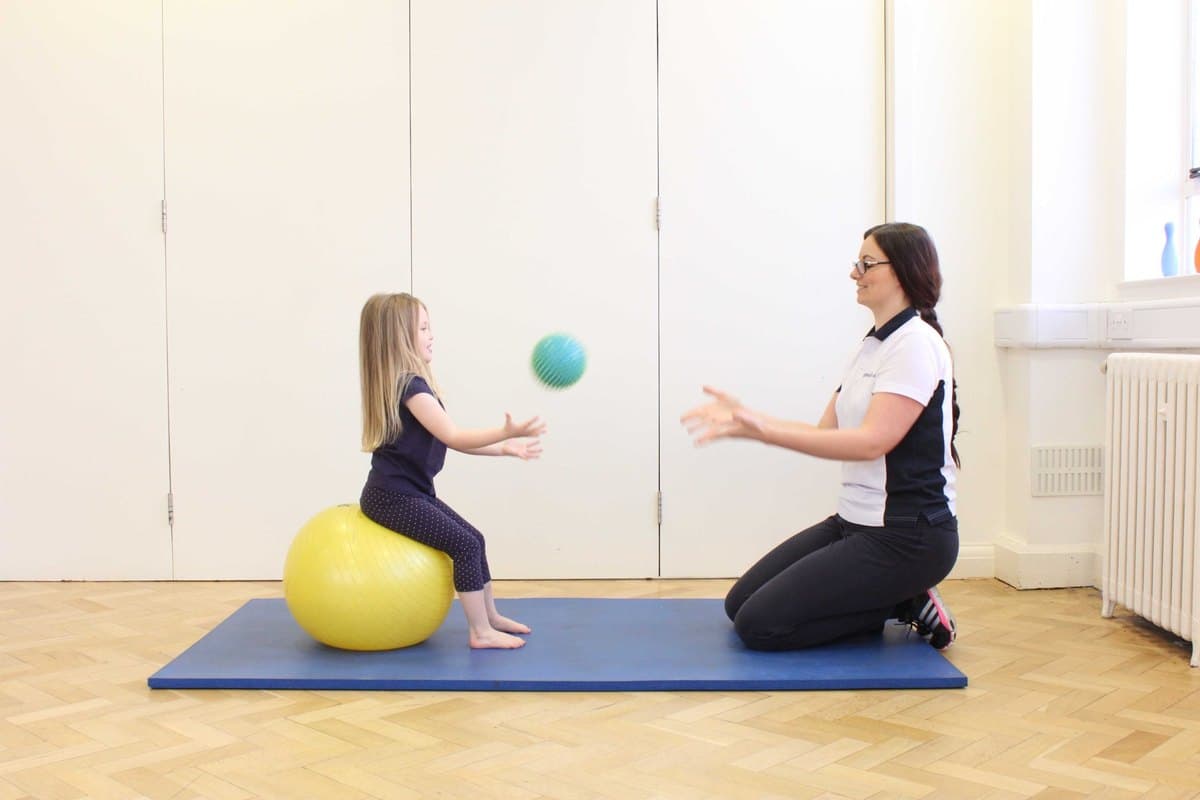
Paediatric physiotherapy may support positioning, functional movement and participation as part of an individualized multidisciplinary plan. It does not cure cerebral palsy.
What an assessment considers
A specialist assessment may consider posture, movement, communication with the family and participation in activities appropriate to the child's goals. Children with cerebral palsy have different needs; a single programme is not appropriate for everyone.
When to seek medical help
New loss of movement or previously acquired skills warrants prompt medical review.
General education, not a diagnosis or treatment plan. AI-assisted draft awaiting individual clinician review.